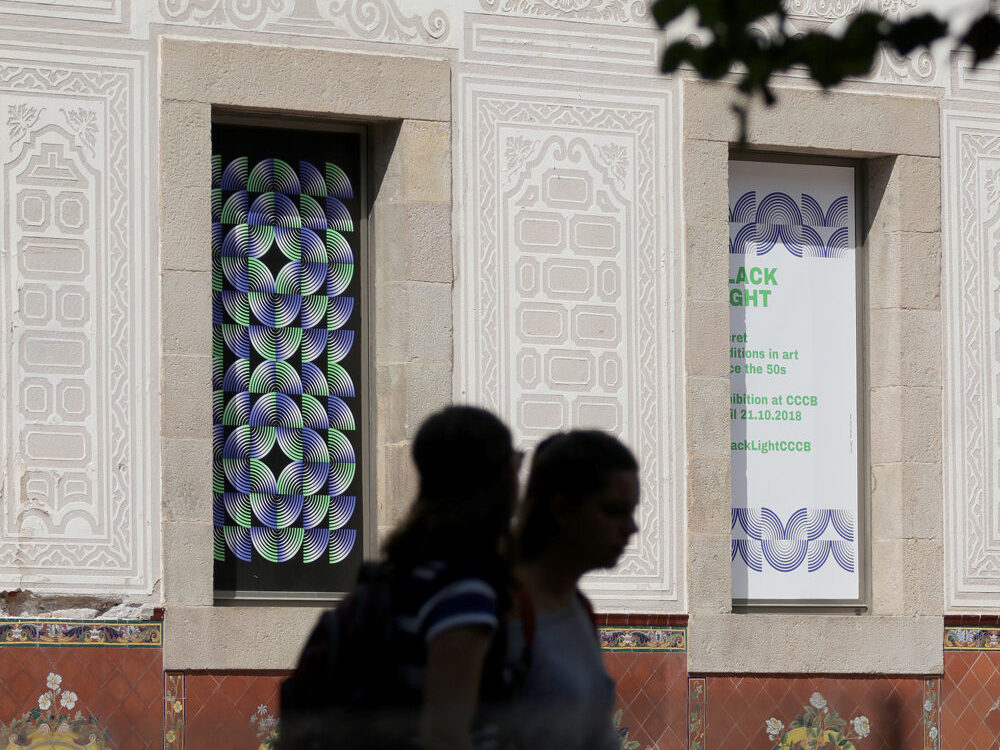
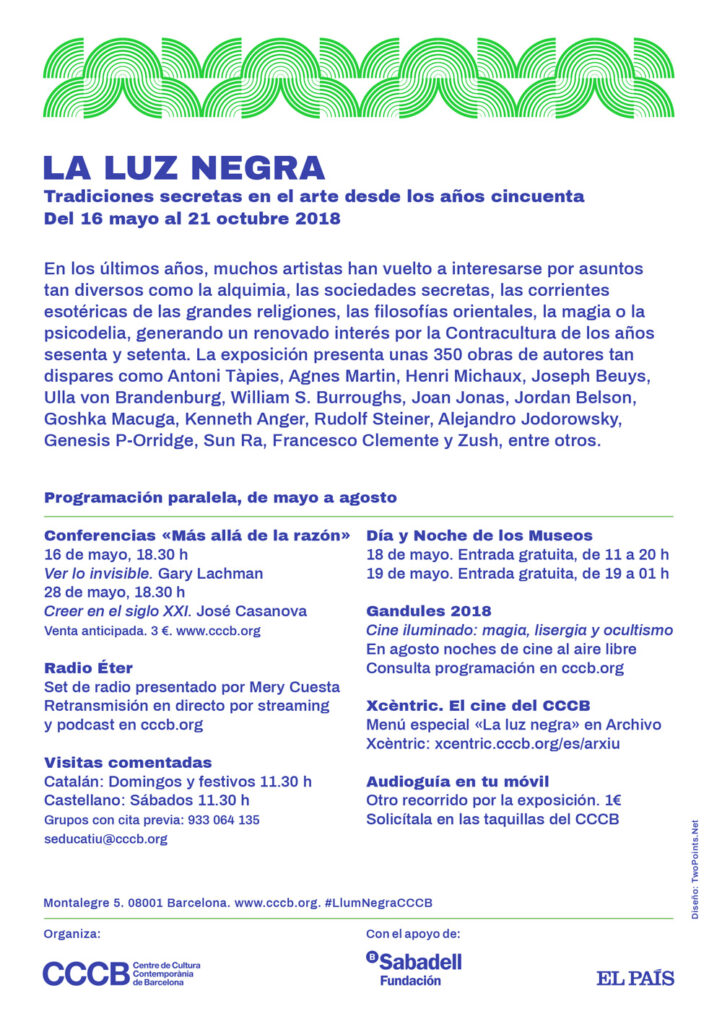
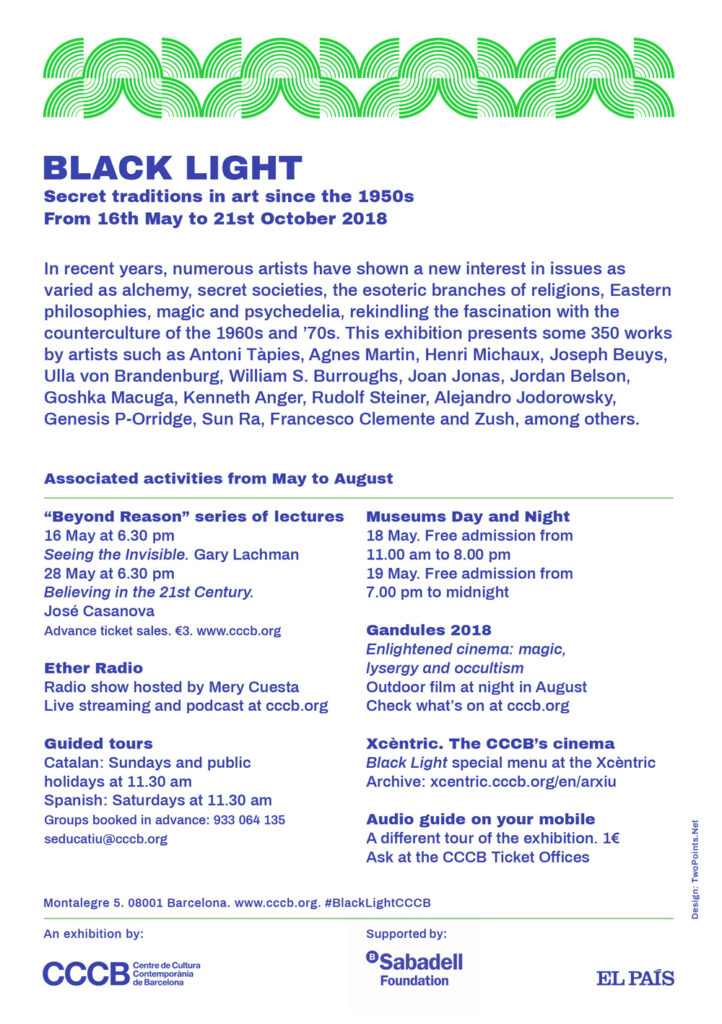
Black Light was an exhibition about the influence that various secret traditions have had on contemporary art from the nineteen-fifties to the present day. It presented around 350 works by artists such as Antoni Tàpies, Agnes Martin, Henri Michaux, Joseph Beuys, Ulla von Brandenburg, William S. Burroughs, Joan Jonas, Jordan Belson, Goshka Macuga, Kenneth Anger, Rudolf Steiner, Alejandro Jodorowsky, Francesco Clemente and Zush.
Black Light brought together, in more or less chronological order, paintings, drawings, audiovisuals, sculptures, photographs, installations, books, music, engravings and documents by artists largely from North America, where secret traditions have historically enjoyed greater acceptance.
An approach without prejudice to art and esoteric beliefs
Esoteric traditions can be traced back to the very origins of civilization, having served at different times to structure philosophical, linguistic, scientific or spiritual ideas. Despite their importance for the development of twentieth-century art, they tend to be ignored or disparaged these days due to the dominance of rationalistic thinking and the difficulty of talking about these subjects in clear, direct language.
In recent years, however, many artists have taken a renewed interest in subjects such as alchemy, secret societies, theosophy and anthroposophy, the esoteric strands in major religions, oriental philosophies, magic, psychedelia and drug-use, universal symbols and myths, the Fourth Way formulated by the Armenian mystic Georges Gurdjieff, etc., generating an interest in these fields that had not existed since the counterculture of the sixties and seventies.
According to the writer Enrique Juncosa, curator of this exhibition, this interest “may be due to the fact that we are, once again, living in a restless and unsatisfied world, worried about new colonial wars, fundamentalist terrorism, serious ecological crisis and nationalist populism, just as in the sixties and seventies people feared an imminent and devastating nuclear catastrophe. Furthermore, much of today’s mainstream art is actually rather boring due to its complete lack of mystery and negation of any kind of poetization or interpretation of our experience of it”.
The origin of the title
The title Black Light refers to a concept of Sufism, the esoteric branch of Islam that teaches a path of connection with divinity leading via inner vision and mystic experience. Sufism, which regards reality as light in differing degrees of intensity, speaks of a whole system of inner visions of colours that mark the spiritual progress of initiates until they become “men and women of light”. The intention is to achieve a state of supra-consciousness that is announced symbolically by this black light.
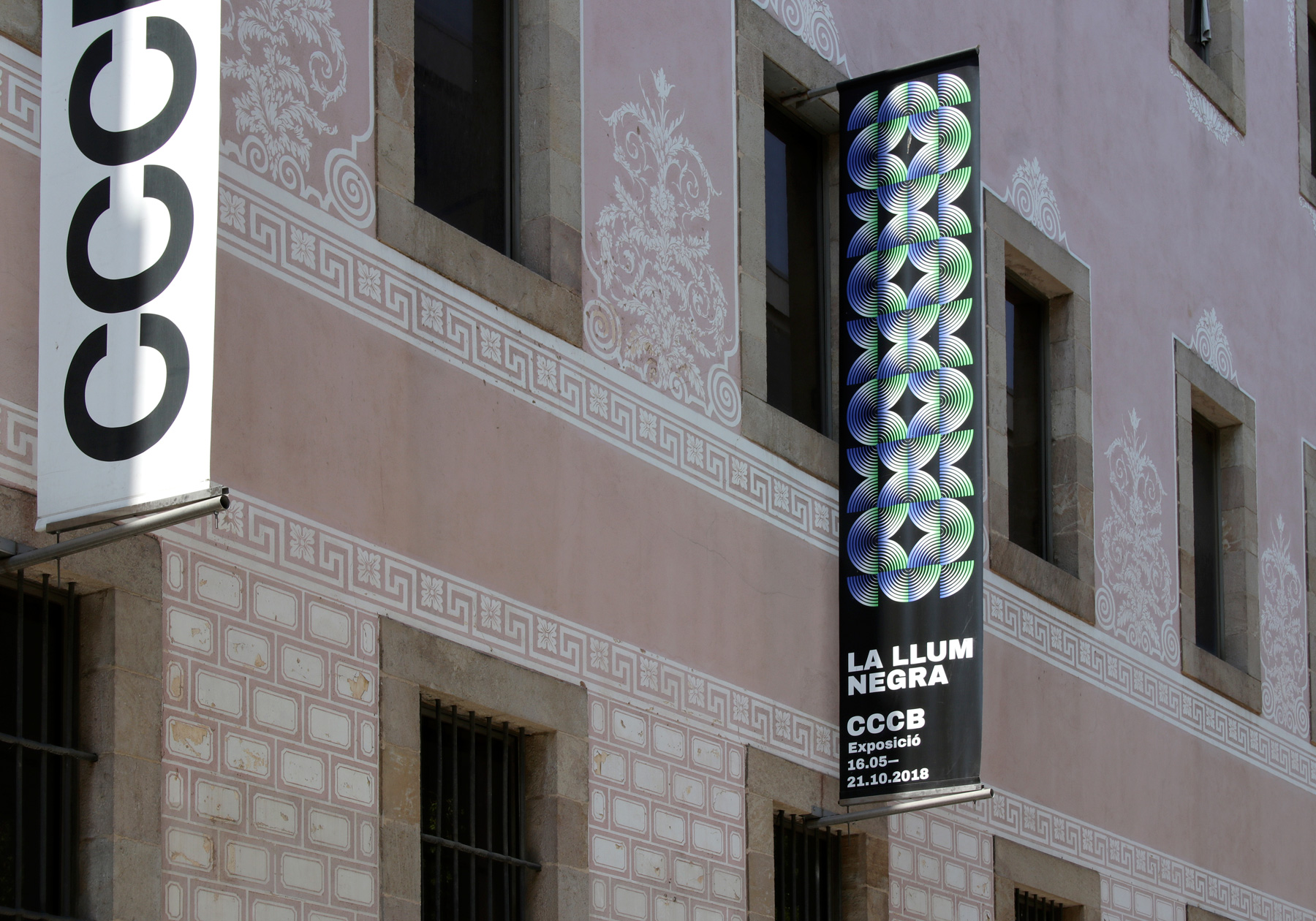
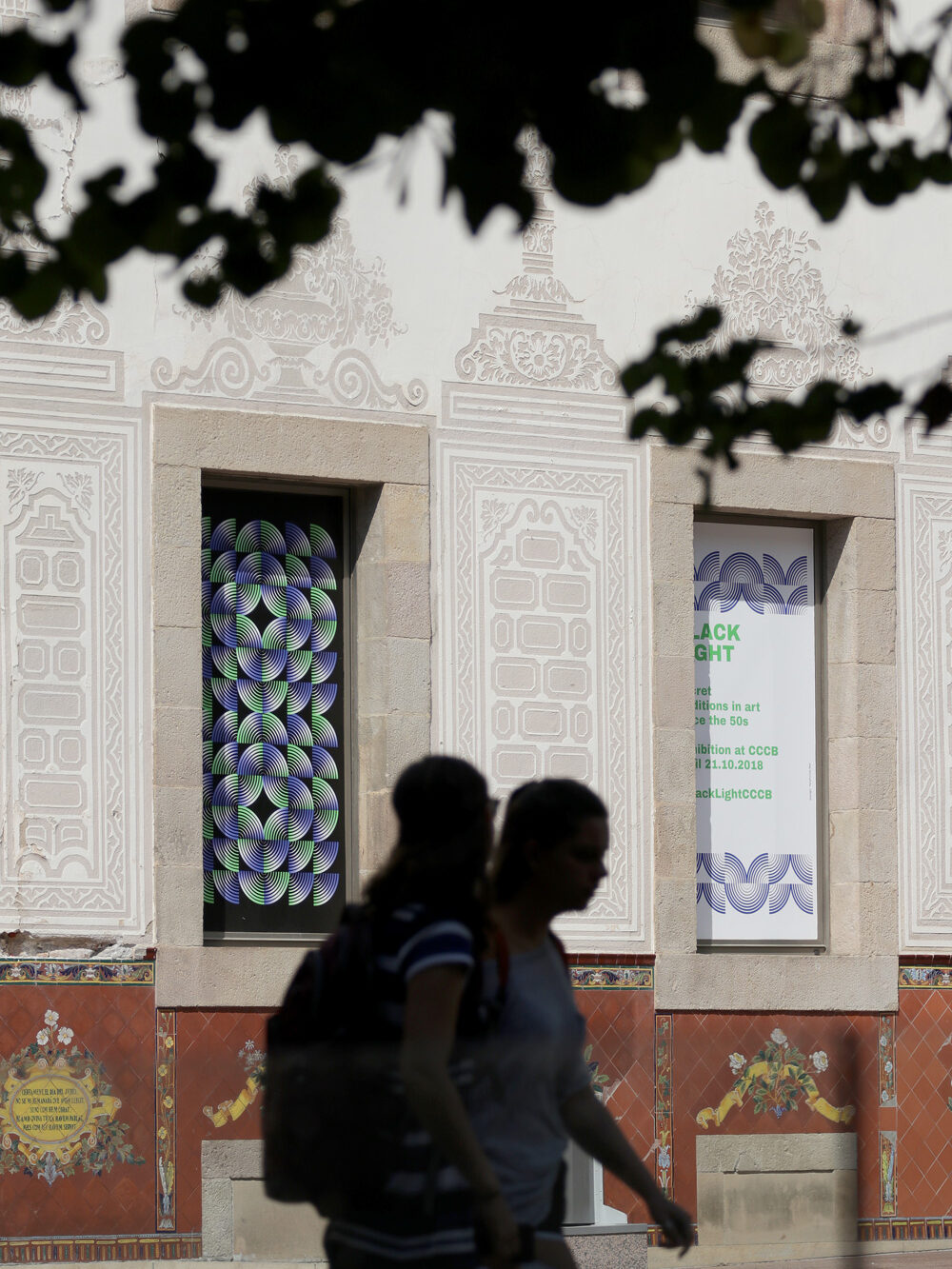
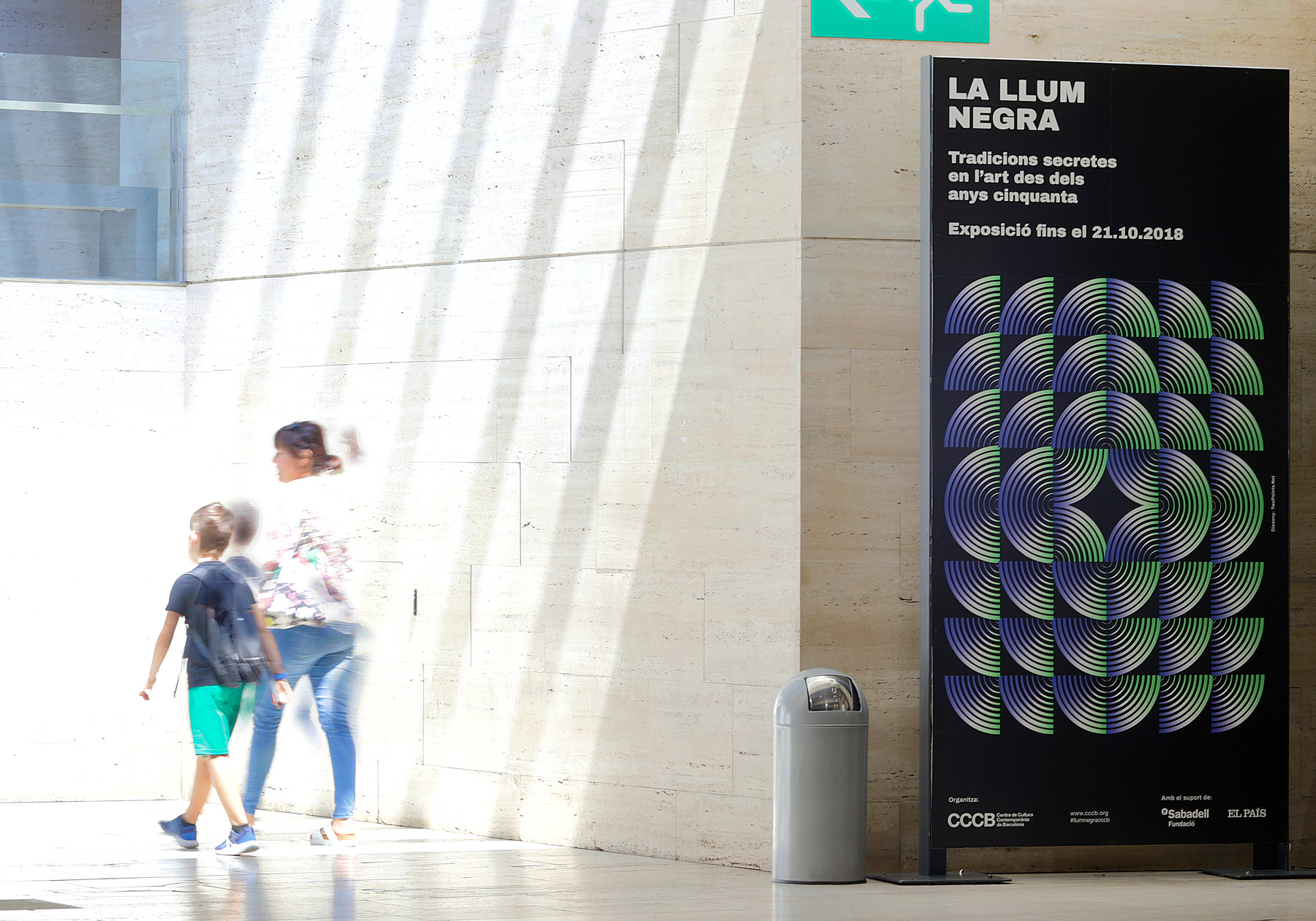
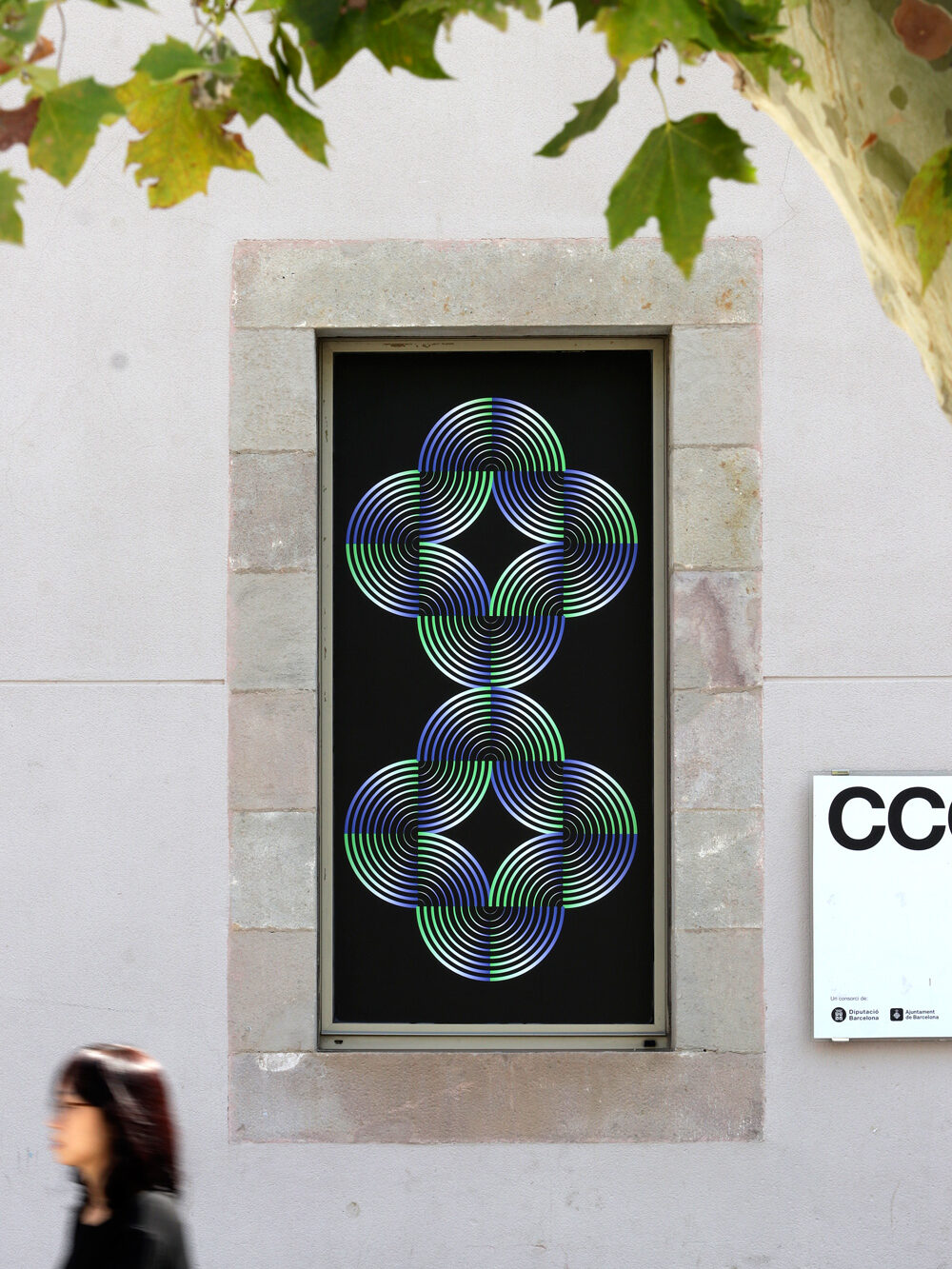
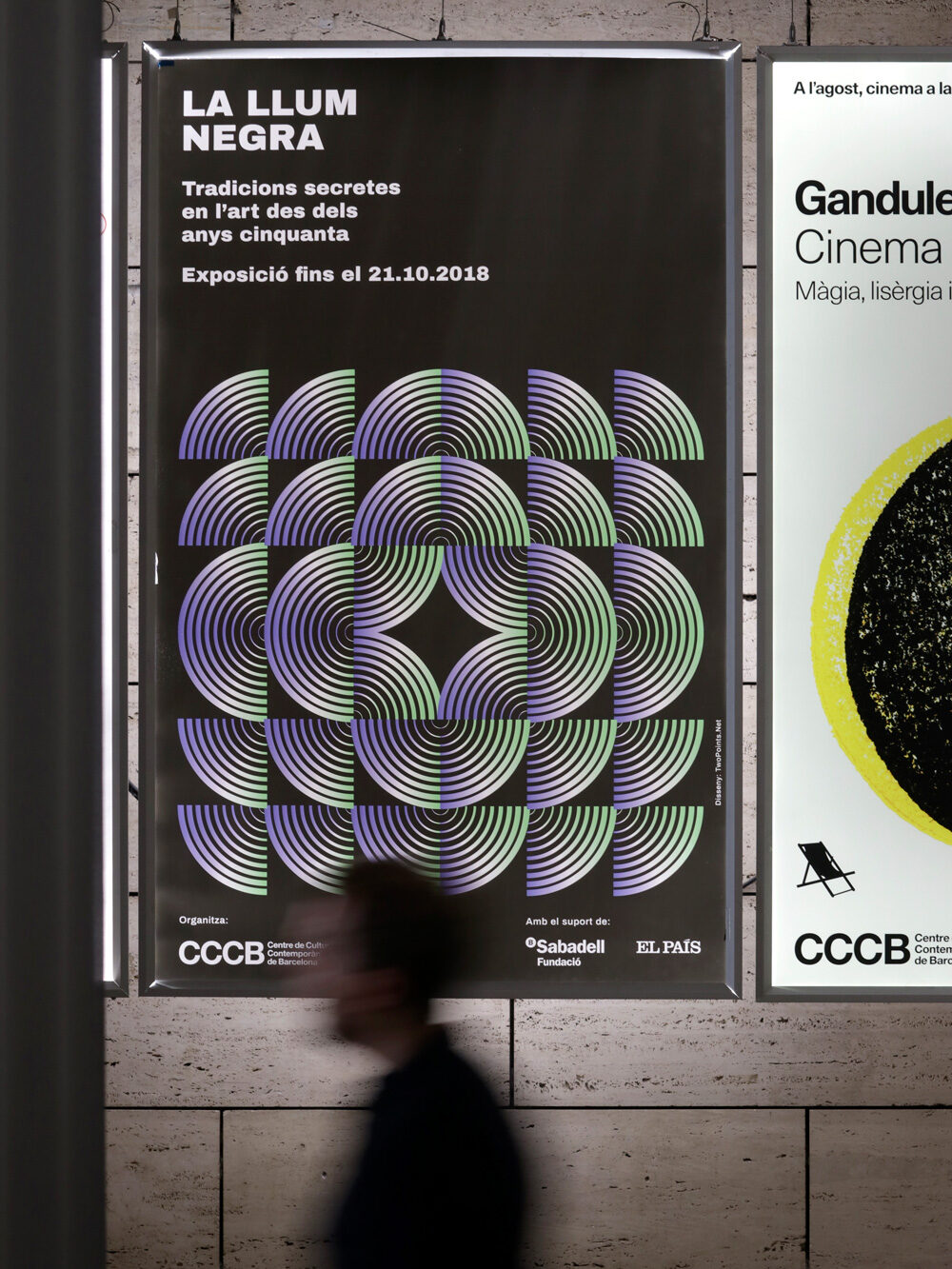
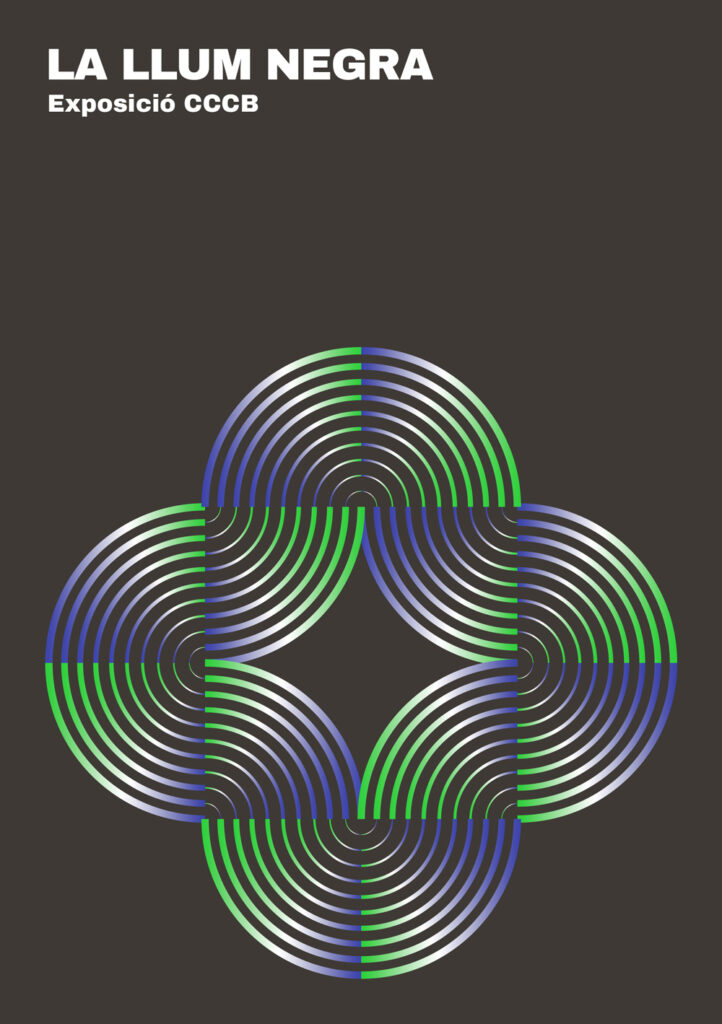
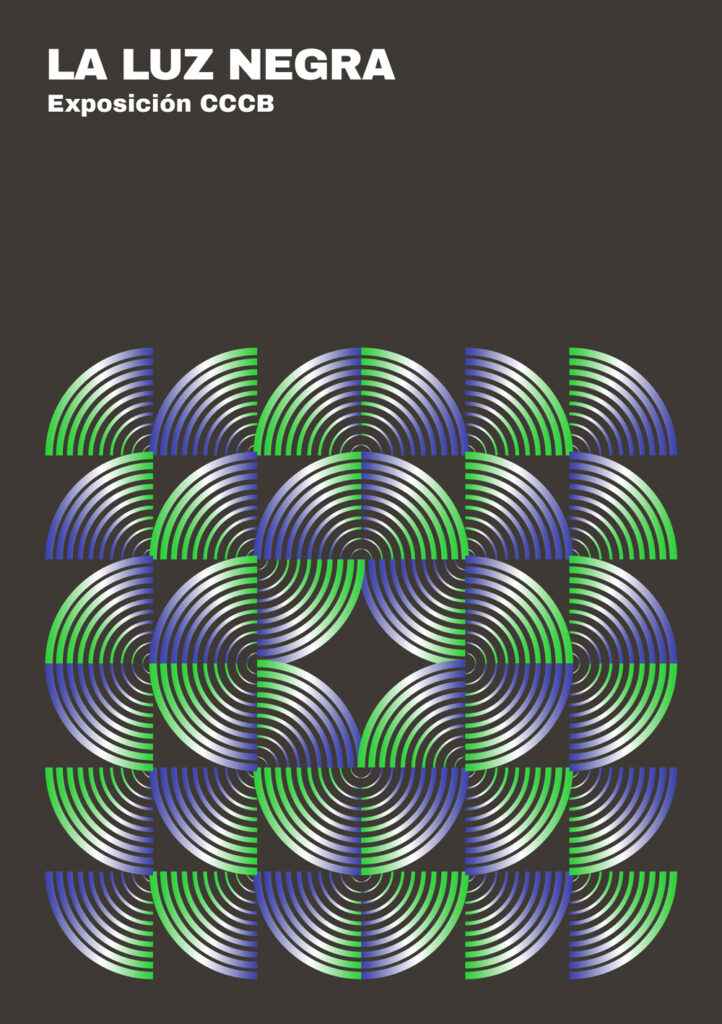
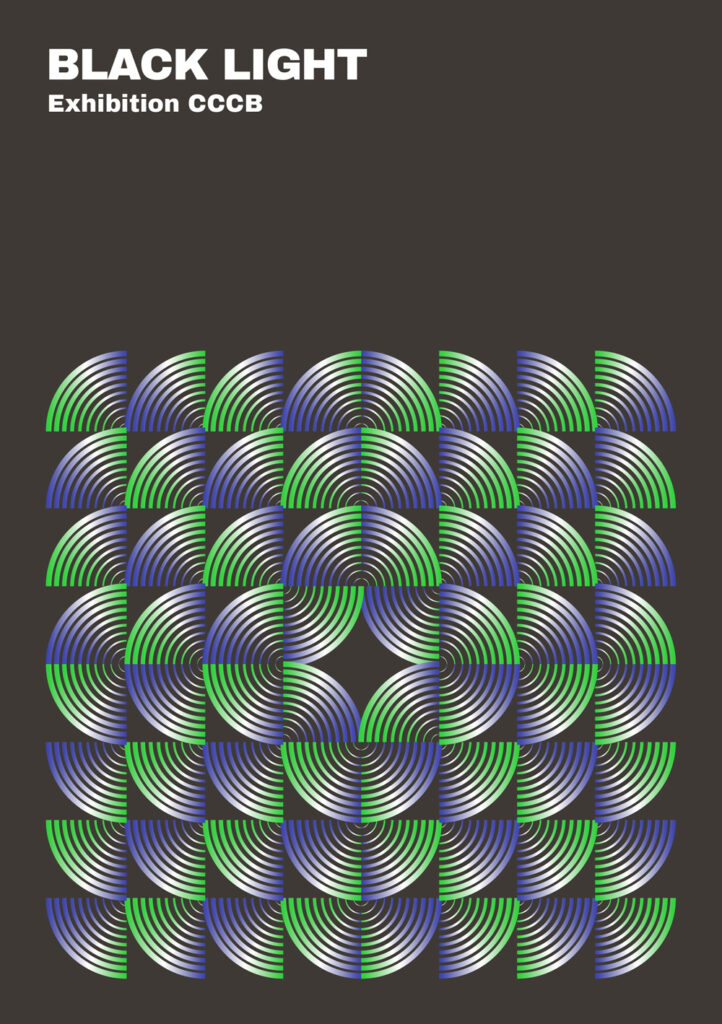
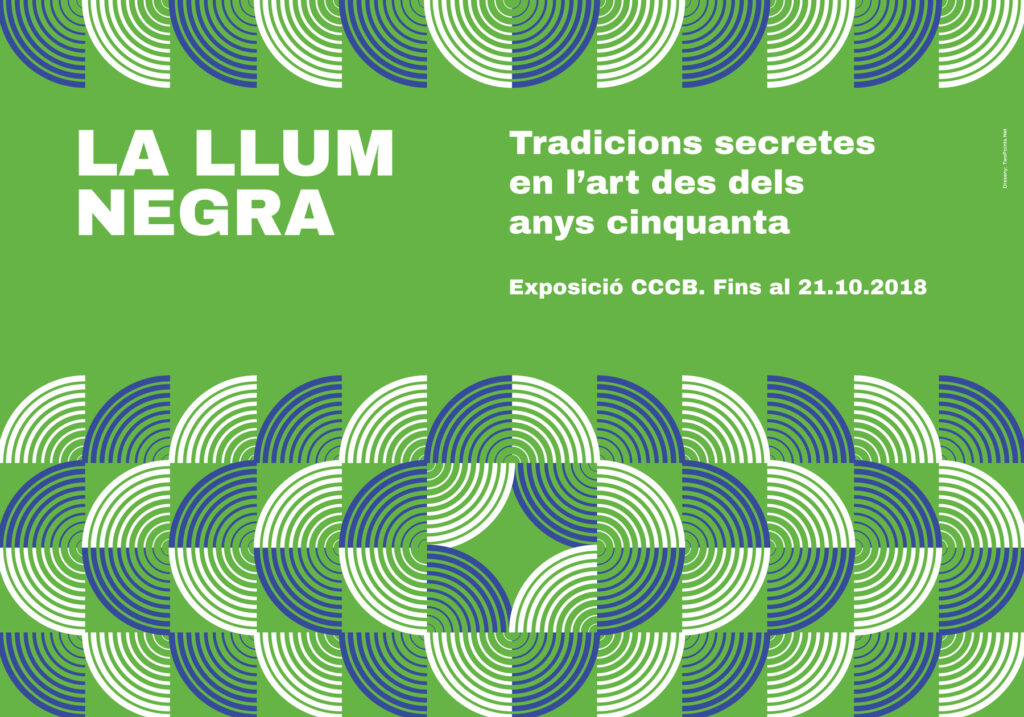
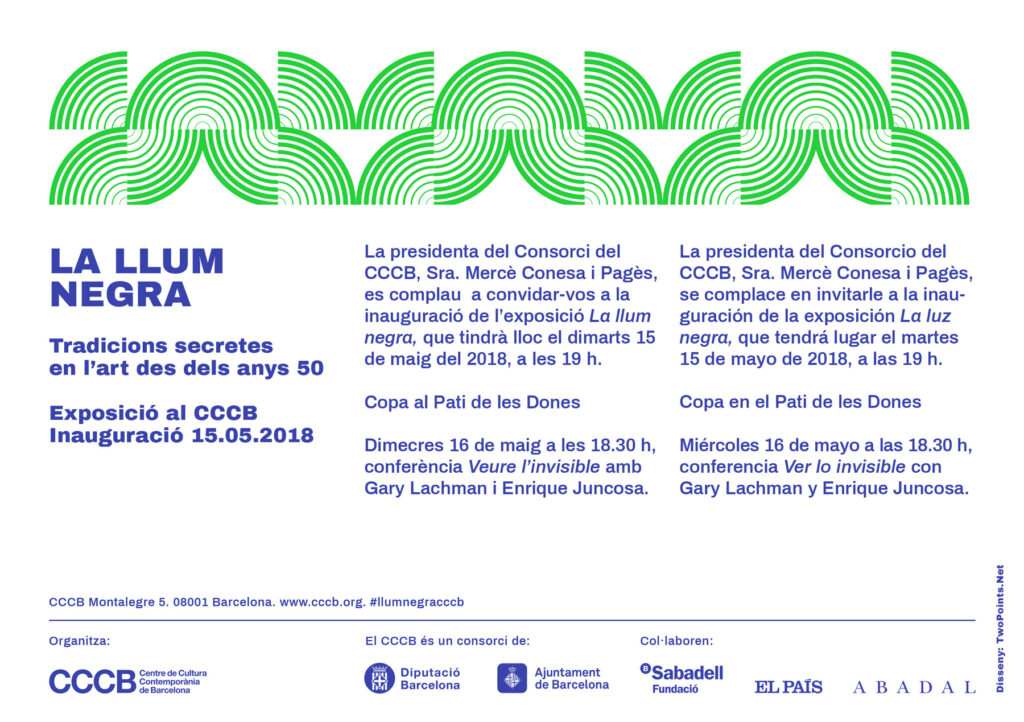
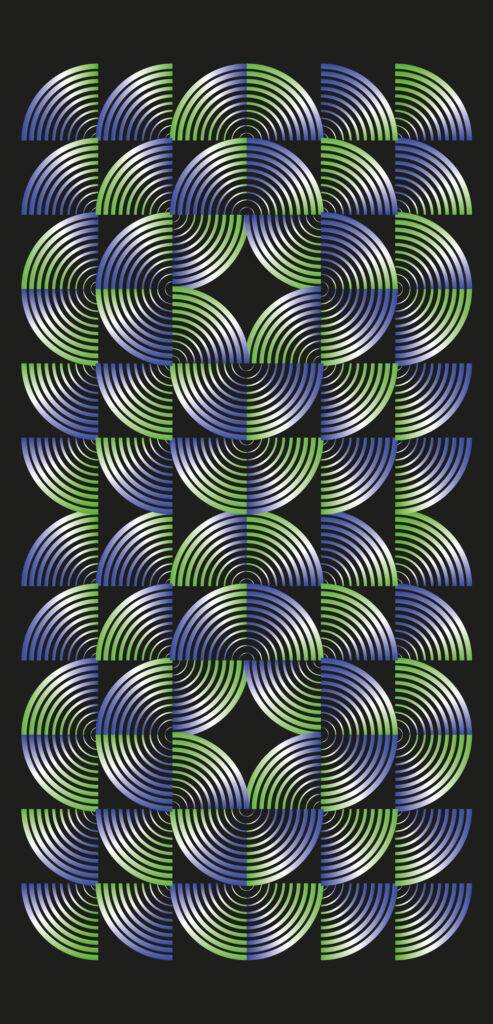
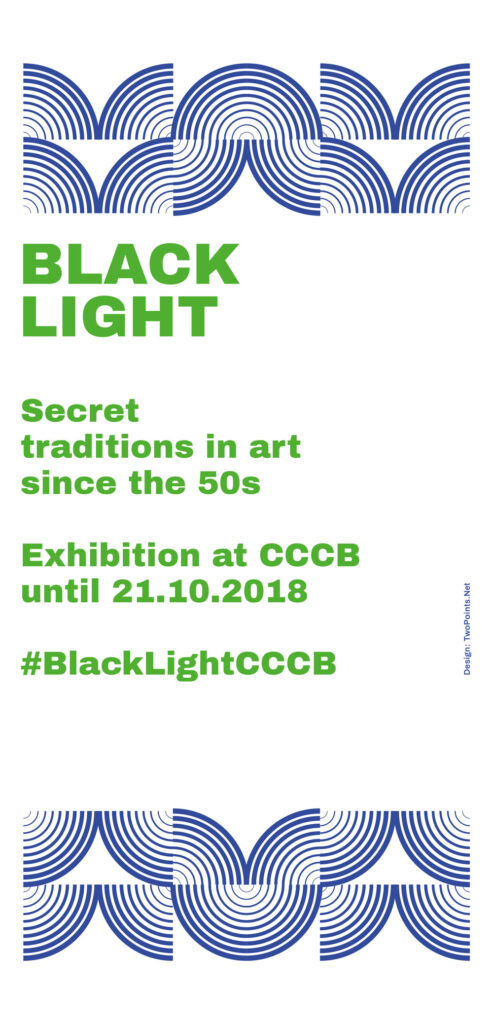
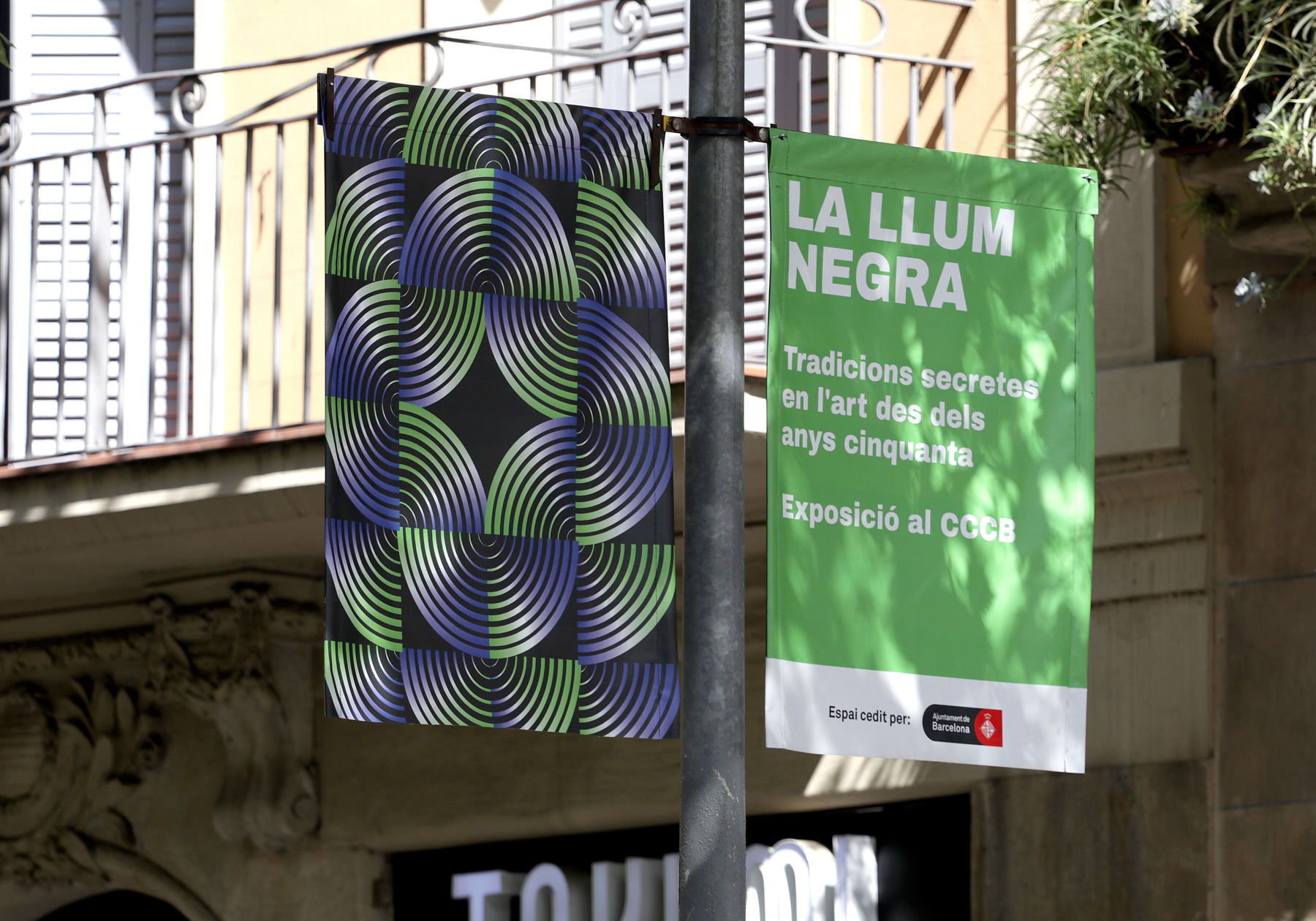
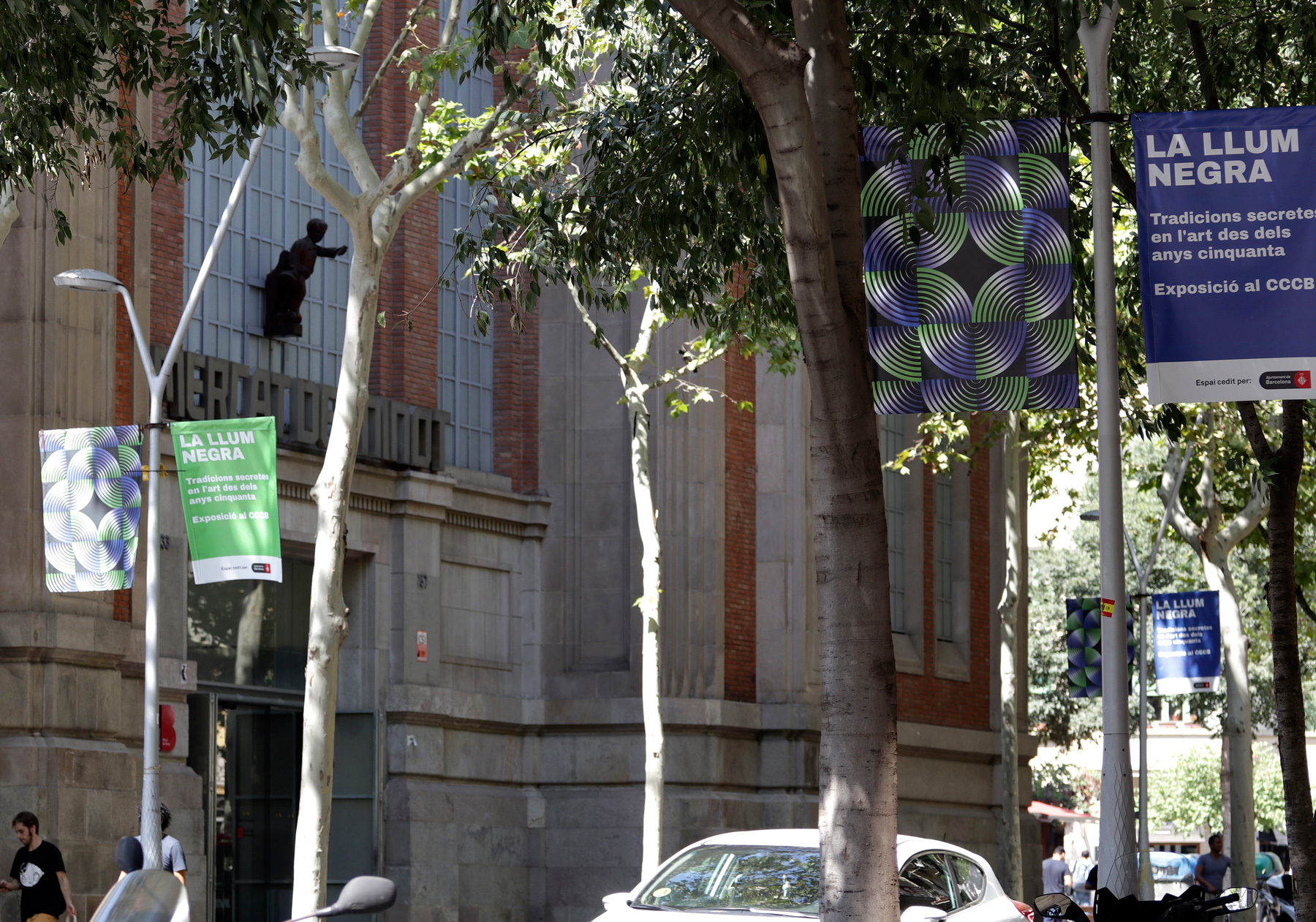
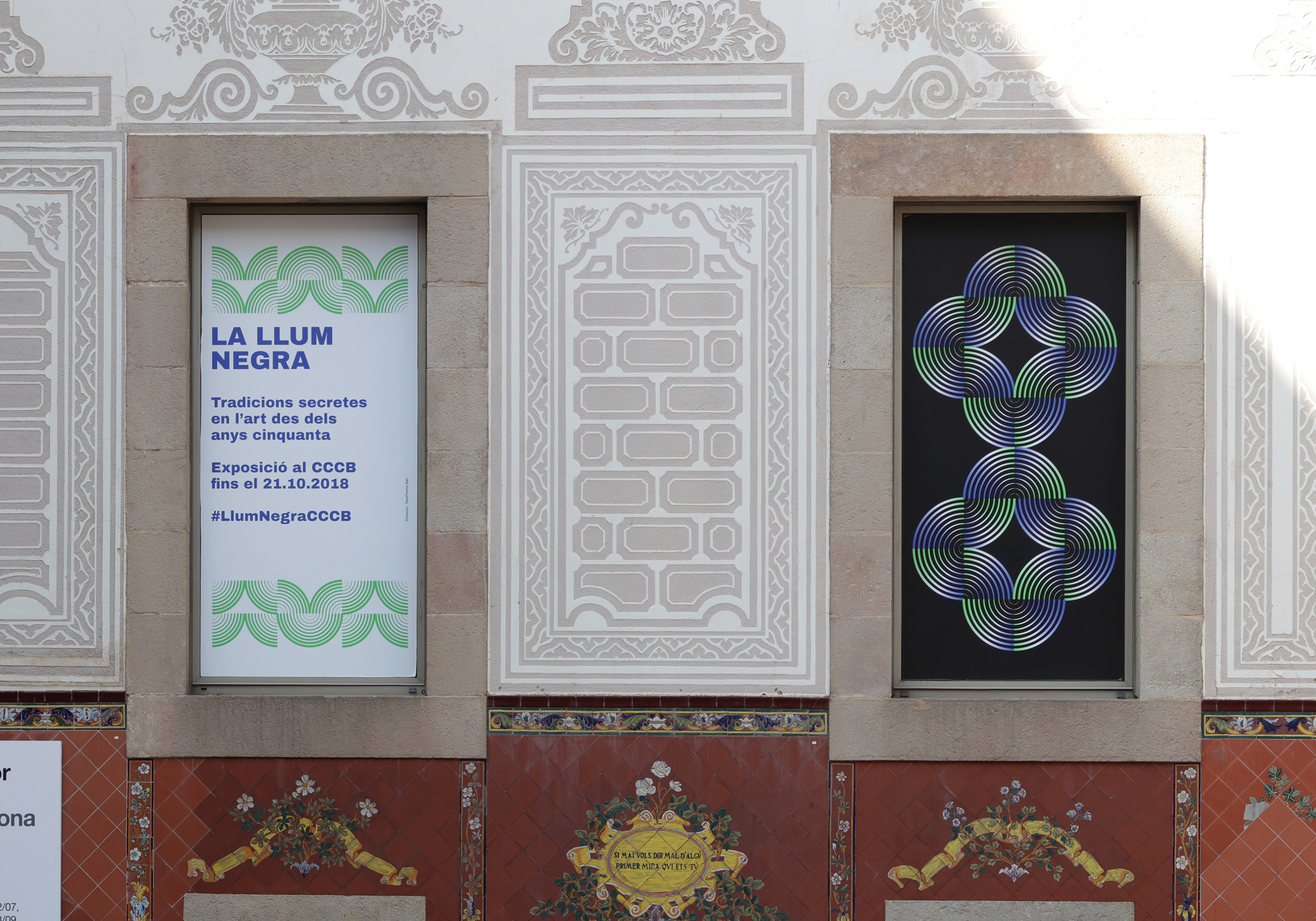
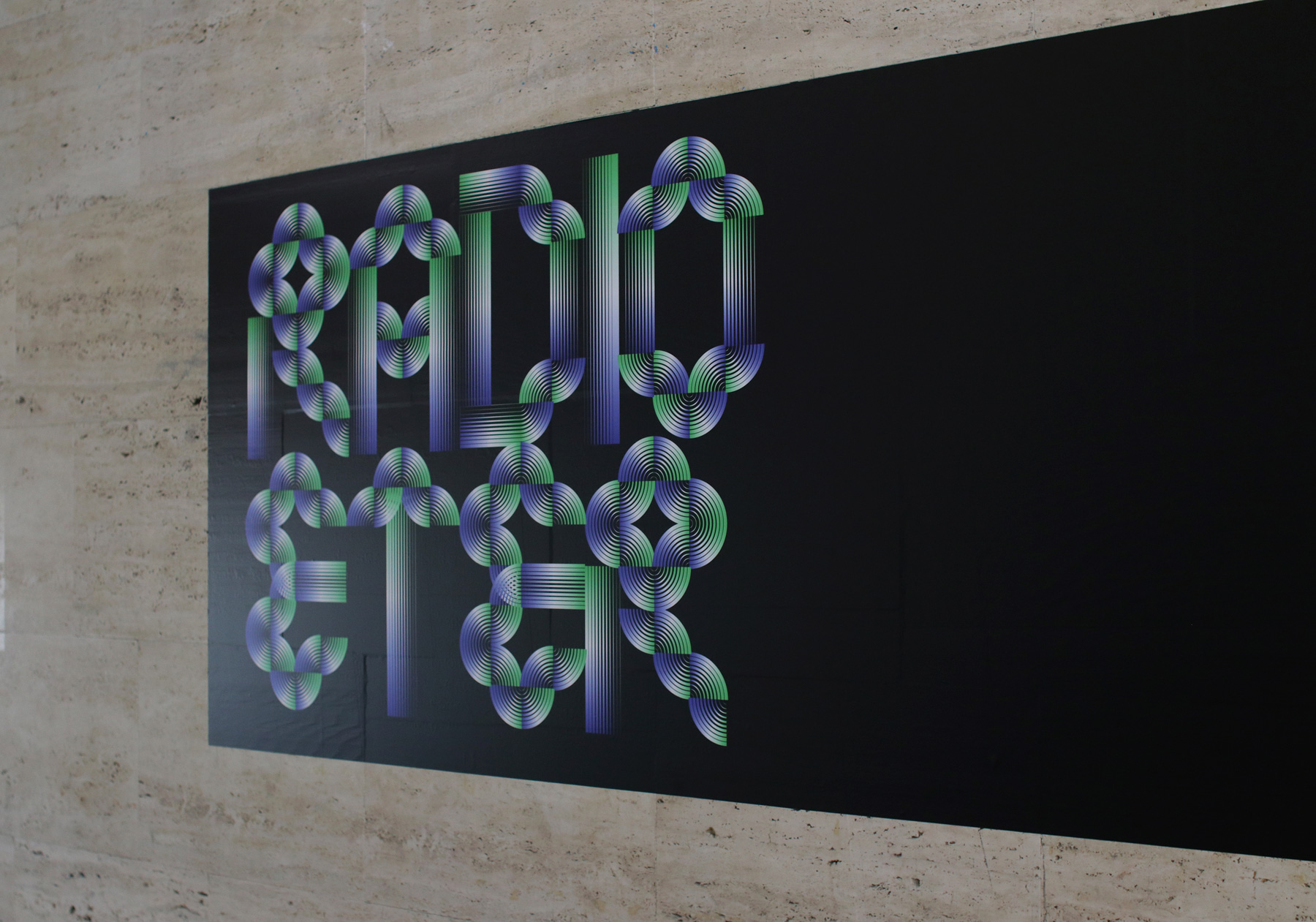
Coding System was commissioned by TwoPoints.Net to develop a tool capable of generating all graphics for the extensive campaign. We did not stop there. We developed three tools. Tool 1 generated printable vector files. Tool 2 generated animations. Tool 3 was web-based and used as a marketing tool for the exhibition. Visitors could design their own motifs, download them, and post them on their social media feeds. The best motifs were awarded with beautifully silkscreened tote bags.









Published on September 11, 2018
Last updated on June 12, 2026