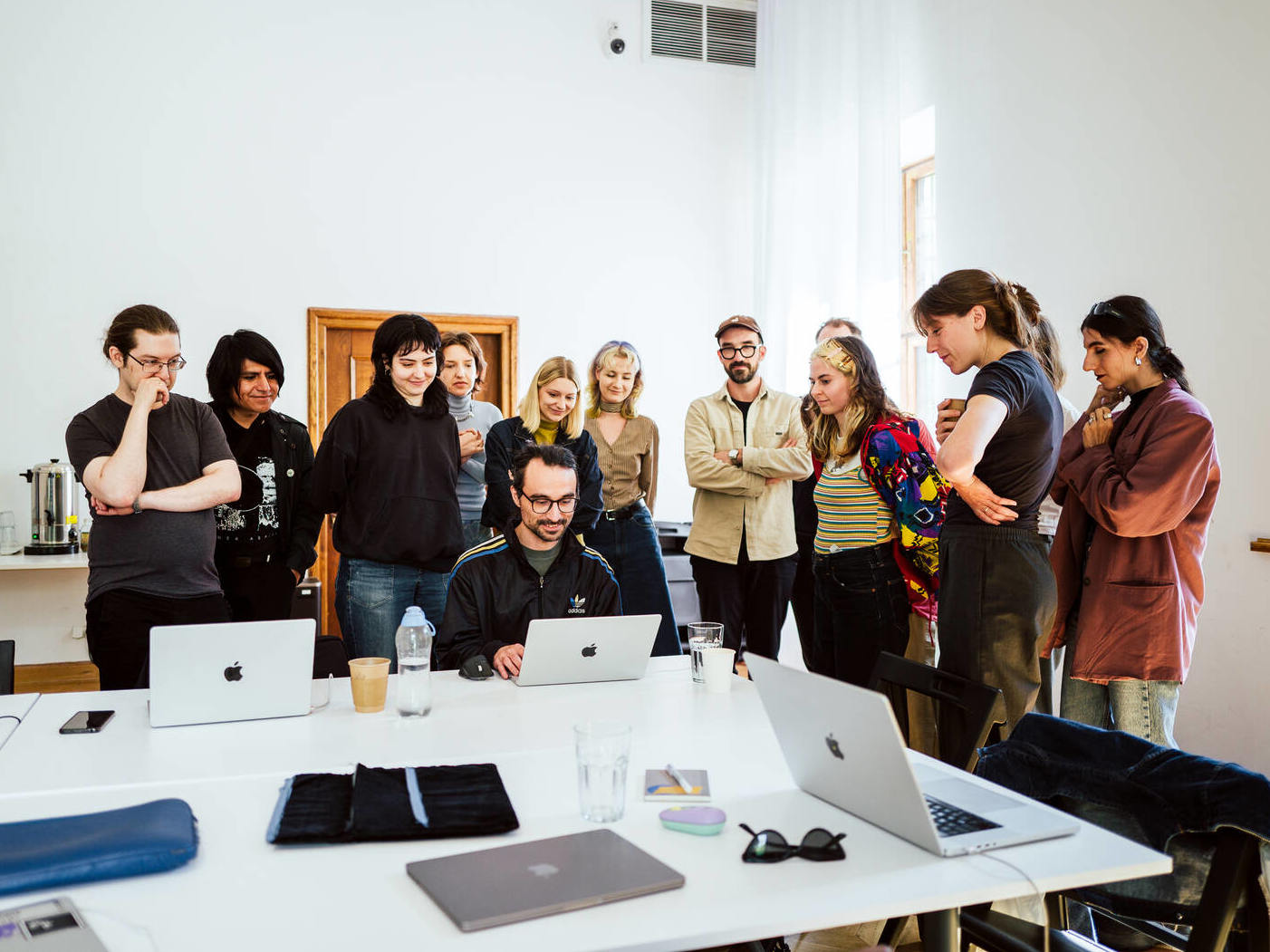
The wide gap between technology and design is often a major problem on many levels. It not only leads to failed projects, poor compromises and a great deal of frustration, but also to extremely limited perspectives among all those involved. One solution is to agree on a common terminology and method. This is where we come in: with the intersection of Flexible Visual Systems and Creative Coding.
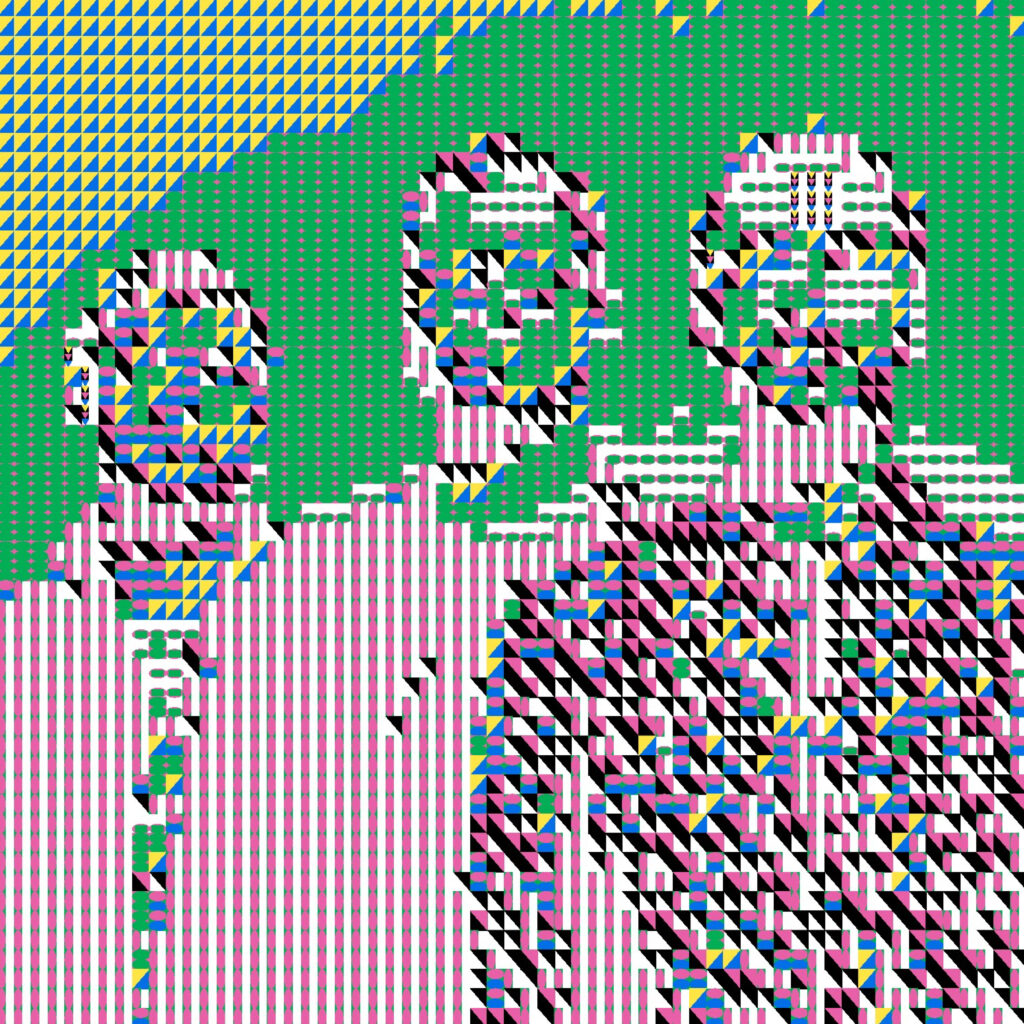
In this workshop, we will attempt to bridge this gap for a few hours. Using a simple application developed with Processing for the development of an experimental visual identity, we will explore together what becomes possible when tech and design are on an eye-level. Our workshop challenges conventional design processes by inviting participants to embrace hot intuition over cold analysis. Like life, the approach is iterative, experimental, and, at times, seemingly incomprehensible.
Objectives
In this workshop, participants will engage with a piece of code to craft a transformation-based Identity System. The learning outcomes include working with code, trusting intuition, experimenting, nurturing ideas, and transforming them into a functional Visual Identity.
Instructors
Tim Rodenbröker, MA — an experienced Creative Coding teacher. Martin Lorenz, PhD — has been teaching and applying Flexible Visual Systems since 2001.
Visit codingsystems.info for more information.
What you’ll do
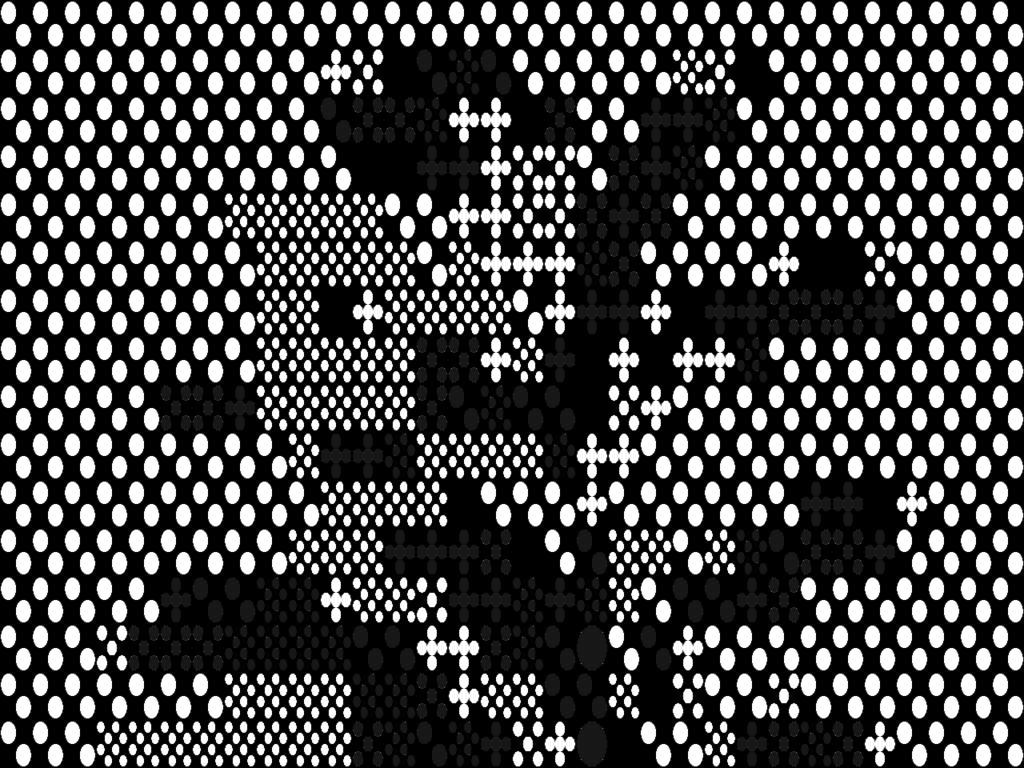
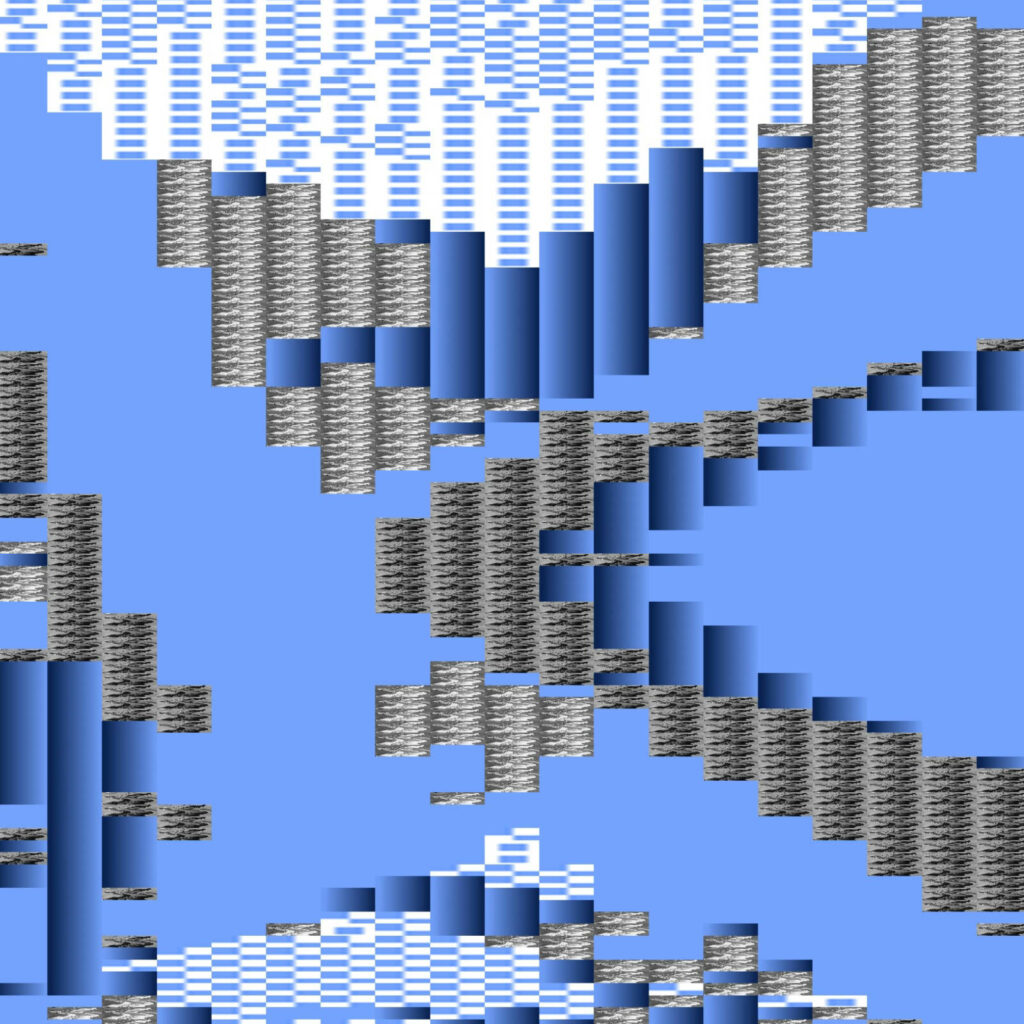
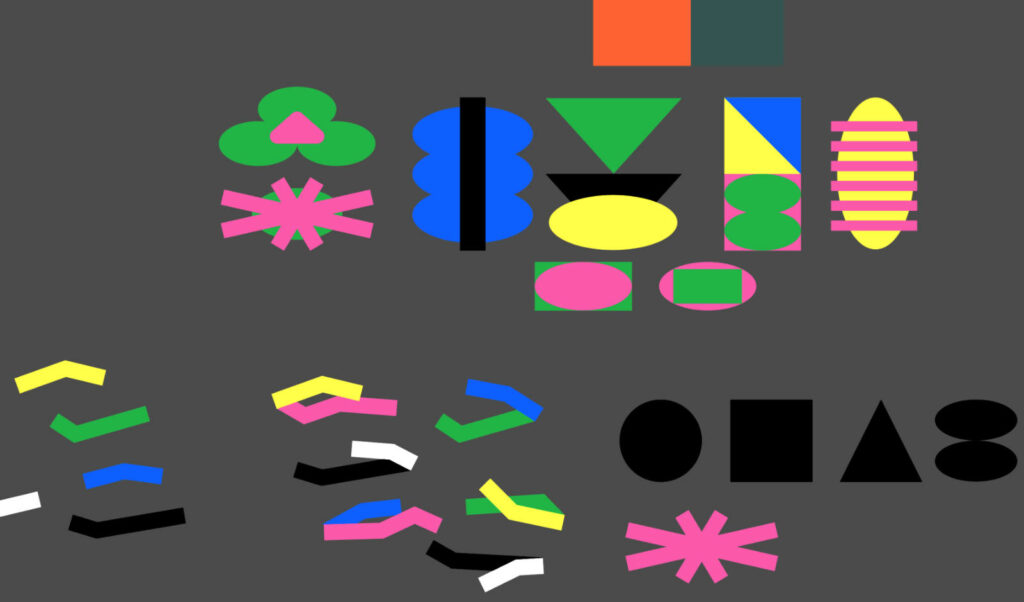
You’ll start with a small, given piece of code and a simple visual system. From there, you’ll learn how each part of the code behaves, how to shape it, and how to push it into something that holds together as a visual identity — one that transforms but stays recognisable.
You’ll work with your own images, project ideas, and motifs. The starter code is shared; what you build on top of it is yours.
By the end, you’ll have a flexible system of your own: a set of rules that can generate countless coherent outputs.
Structure
The workshop runs over two days. Both days mix input and theory with workshop sessions — you’ll be working with the code from the start, with short framings throughout to inspire and orient the practice. The first day opens with a presentation of our work and philosophy.
Day 1 — Foundations Walkthrough of the starter code in Processing or p5.js. First experiments with shape, motion, and variation. Inputs on Flexible System Design feed directly into what you’re building.
Day 2 — Transformation You keep building, now with your own images, project ideas, and motifs. Parameters, rules, ranges — how the same code produces a family of outputs that belong together. Critique, iteration, and final presentations.
What you’ll leave with
A working visual identity built in code. A clearer understanding of systems as a design discipline. A starting point — not a finished destination.
FAQ
Do I need to know how to code? No, you do not need to have previous knowledge of coding. You are going to get a piece of code. During the workshop, you are going to get familiarised with which part does what. If you want to prepare, which is not required, you can visit timrodenbroeker.de.
Do I need to know how to design Visual Identities? No, you do not need to have previous knowledge of Flexible System Design for Visual Identities. Martin will give you an introduction and guide you through the process, but if you want to get into the mood, visit flexiblevisualsystems.info.
What happens if the workshop is sold out? Don’t worry, you are going to be added to the waiting list for the next event. You can also visit codingsystems.info to inform yourself about future dates.



Published on May 21, 2026
Last updated on June 26, 2026